It sounds like a natural next step, right?
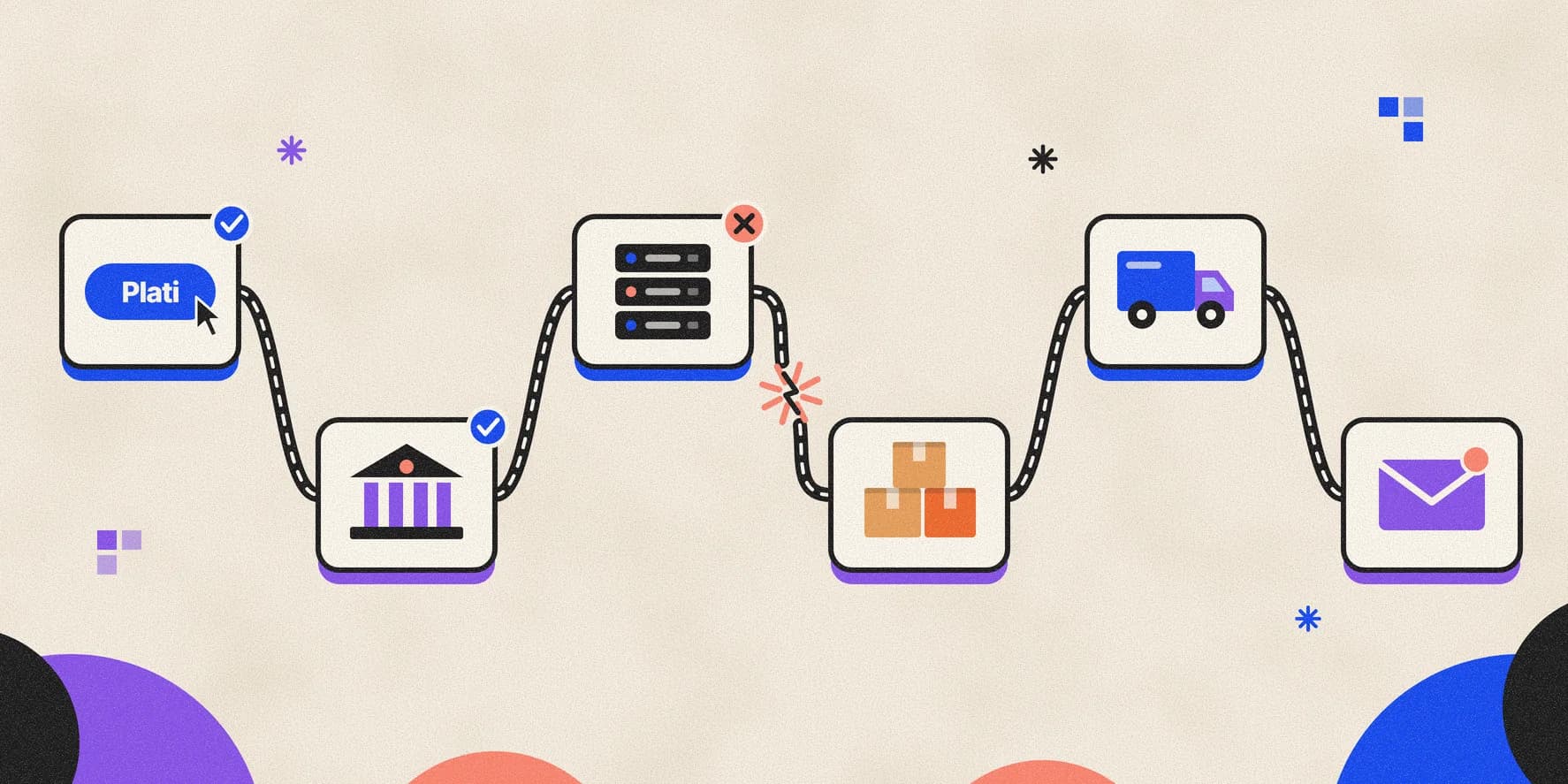
Then you get the answer no web shop owner wants to hear: “That is not really simple to do on your platform.”
Suddenly, the next step for your business turns into a technical problem. You need extra plugins, complicated integrations, or custom changes that can create new problems.
This is where Medusa.js comes in. It is an open-source e-commerce platform built on a simple idea: technology adapts to the business, and the business does not adapt to technology.
When the web shop gets too small for the business
Most online stores start in a similar way. They have a product catalog, a cart, a checkout, and a system that processes orders. For many businesses, that is enough.
But what happens when things get more complicated?
Say you sell the same product to consumers at one price and to wholesale partners at another. Your long-time customers also get special terms.
Or you run three warehouses, several sales channels, and a few different courier services.
Traditional e-commerce platforms can support many of these scenarios. The real question is how many extra tools, changes, and hours of maintenance they need.
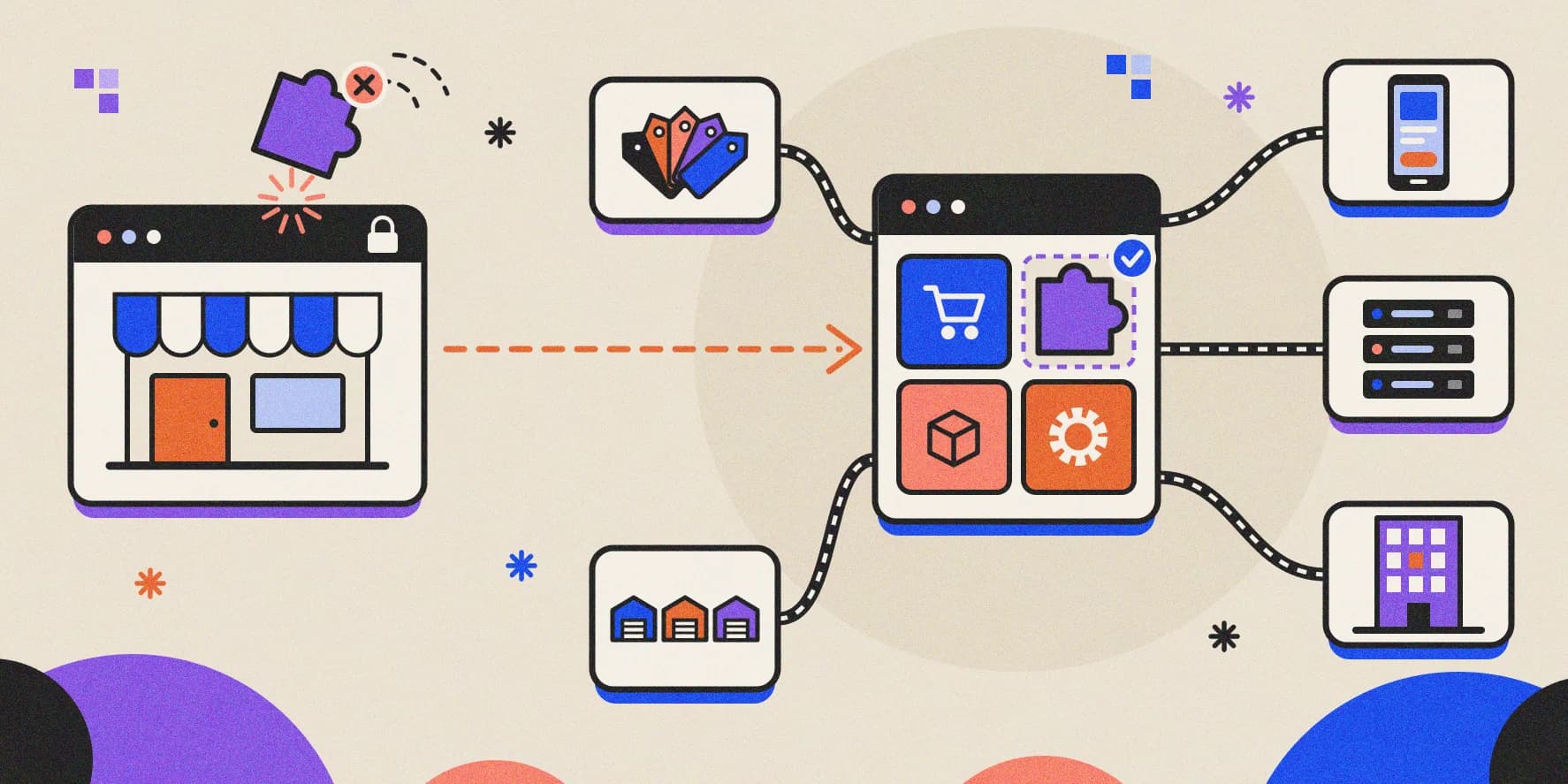
Medusa.js takes a different approach. Its modular architecture lets developers use the commerce features that already exist and extend them with your specific business logic.
Your web shop does not have to stay limited to a way of working that someone else planned in advance.
One product, five prices. Medusa sees no problem.
Picture a cosmetics store that sells a product for 3,000 dinars.
Registered professional makeup artists get special prices. Beauty salons buy on wholesale terms. Distributors get extra benefits based on the size of the order.
In a classic web shop, a setup like this can require extra extensions or custom programming.
Medusa.js already has tools for managing customer groups, price lists, and price levels based on quantity.
For example, you can assign a different price list to each customer group, and developers can build extra rules for more complex commercial agreements.
Each customer sees the price that matches their terms, and the seller does not have to run several separate online stores.
Of course, other platforms also support this model. The advantage of Medusa is that you can adapt the existing logic further to fit your specific business.
What if you have three warehouses but only one web shop?
Picture this situation.
A customer from Novi Sad orders a product. The Belgrade warehouse is out of stock, but the Novi Sad warehouse has it.
A good system knows where the product is, where it can ship from, and how the available quantities change after the order.
Medusa.js supports inventory across several locations, stock reservations, and links between locations and sales channels.
But specific rules for choosing a warehouse can require extra business logic. Examples are automatically picking the nearest location or the cheapest delivery option.
That is the key difference: the platform gives you the foundation, and the system then grows to match how your company really works.
Your web shop, mobile app, and B2B portal do not have to live apart
One of the more interesting parts of Medusa is that different sales channels can use the same commerce infrastructure.
Picture a brand that sells through a web shop, has a mobile app, and wants a separate portal for wholesale buyers.
Each channel does not have to work as a fully independent system. You can build a solution with shared data and business logic, plus rules that fit each channel.
Medusa lets you manage sales channels, product availability, and the inventory linked to them.
This does not mean you get a finished mobile app or B2B portal with one click. Someone still has to build them, but you do not have to build the whole e-commerce logic from scratch each time.
What about when your business does something no plugin understands?
This is probably the most important question.
Every industry has its own details.
Maybe a furniture store wants customers to configure a product before they order it. Maybe a building materials distributor has special delivery rules. Maybe a company that sells equipment to businesses requires approval before a purchase.
For processes like these, one more extension is often not enough.
The Medusa Framework lets developers build their own modules, data models, API endpoints, and workflows.
In other words, a developer can build a specific feature that becomes part of the system. Your business does not have to keep adjusting to the limits of ready-made solutions.
The workflow system is especially interesting. It connects several steps into one business operation, and it can handle errors and undo earlier steps when needed.
Can Medusa talk to your ERP?
For serious e-commerce, a web shop often has to do more than take orders.
You also need to connect inventory, invoicing, price lists, courier services, payments, and other internal systems.
With Medusa, developers can build integrations with external services and business software through APIs, modules, and workflows.
For example, you can build a process that sends order data to the ERP after the order is created. The process later syncs the processing status back to the web shop.
Still, this is not an automatic integration with every ERP on the market. The quality and complexity of the connection depend on what the specific system can do and how the integration was built.
Does this mean everyone needs to move to Medusa?
No. People often skip this part of the story when they talk about new technology.
Say you run a smaller online store with a simple catalog, a standard checkout, and no complex integrations. Platforms like Shopify or WooCommerce can be a very good choice.
Medusa.js shows its strengths when a business needs more control over features, has specific processes, or runs more complex integrations.
That flexibility comes with responsibility. You need a development team that understands the architecture, implementation, infrastructure, and long-term maintenance of the system.
Open source does not mean the complete solution is free. It means you can access the source code and adapt it. Development, hosting, and maintenance still cost money.
The most important question is not which platform you use today
The question is whether that platform can keep up with what your business wants to become.
Today you need a regular web shop. Tomorrow that can change to a B2B portal, a new sales channel, or connections to several warehouses. It can also be an ordering system that works nothing like a standard online store.
Medusa.js is not a magic fix for every e-commerce problem. It is a serious foundation for systems where your business logic does not have to fit a preset mold.
At Nine Pixels, we believe technology needs to support the way a company does business, and not set its limits.
So when we build e-commerce solutions, we look past how the web shop looks on launch day. We also ask what it has to support when the business grows.
Maybe your current web shop does everything you need today.
But will it do the same tomorrow?